10 admin jobs every tradie can automate
Most tradies do not lose work because they are bad at the trade. They lose it, or lose time, in the gaps between jobs: the phone call missed on a roof, the quote written up at 9pm, the invoice nobody chased. None of this needs more hours. It needs some of it off your plate.
The admin that eats a tradie's evening
If you run a small trade business, you already know the pattern. You are on the tools all day, so the phone, the quotes and the paperwork happen before breakfast, after dinner, or not at all. That is not a time management problem, it is a workload problem, and it is exactly the kind of repetitive, predictable work that software can take over without taking over your business.
Below are ten admin jobs we see tradies doing by hand, and what automating each one looks like in practice. You do not need all ten. Most businesses start with one and add the rest over time.
The 10 jobs, and what automating each one looks like
- Missed calls. You are under a house with your hands full and the phone rings out. A missed-call text-back sends the caller an automatic text straight away so they know you saw it and will call back, instead of hanging up and ringing the next name on Google.
- Answering the phone after hours. Calls at 7am, on weekends and mid-job do not stop for you. An AI receptionist can answer in a natural voice, deal with the common questions, take a message and book a job in if your calendar allows it, then text you a summary so nothing falls through.
- Replying to website and Facebook enquiries. An enquiry sent at 10pm often goes to whoever answers first in the morning. Instant enquiry replies acknowledge it the moment it lands, so the customer knows you have got it before they have even thought about calling someone else.
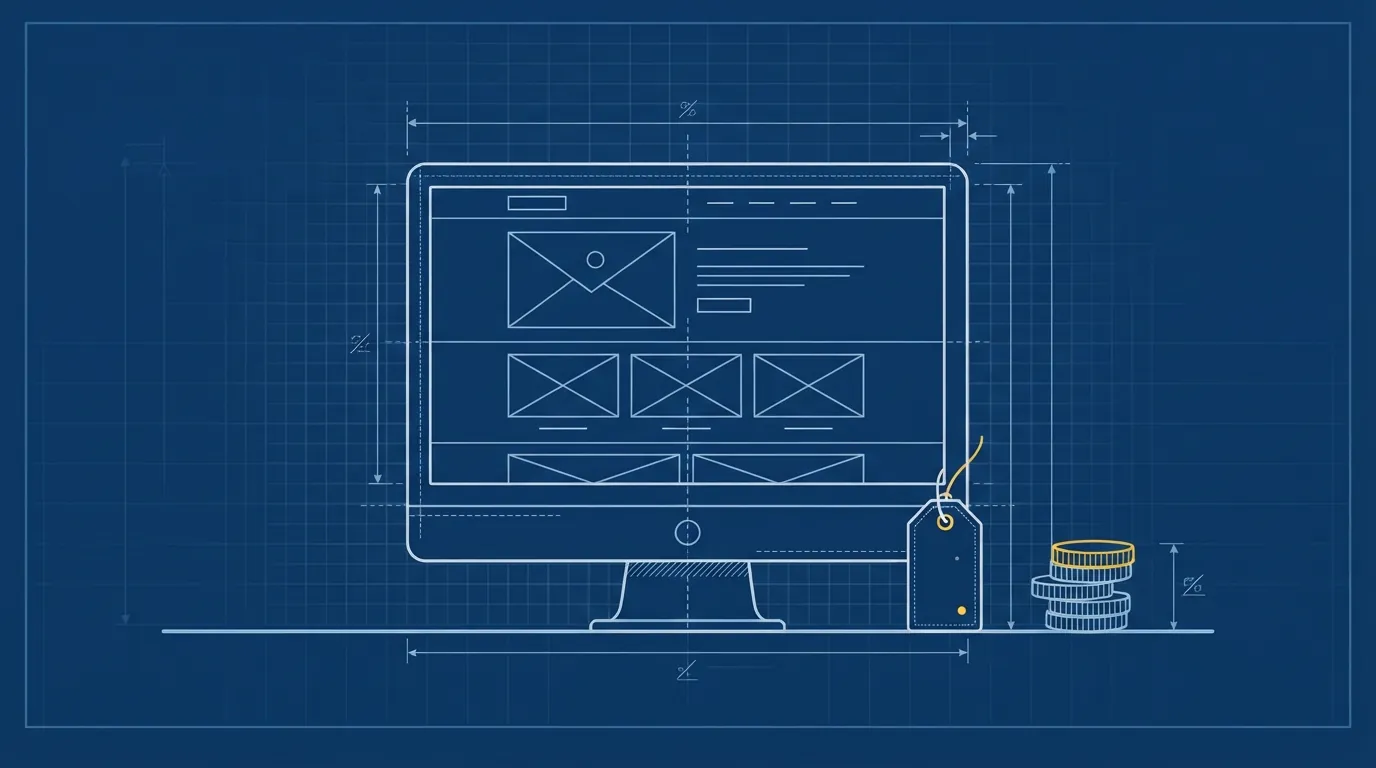
- Writing quotes. Typing the same quote out from scratch each time, with your rates and standard inclusions, is where evenings disappear. A quote built from your own price list fills in the job details and does the sums, so you are checking a quote rather than writing one.
- Taking a deposit or getting paid on the day. Chasing someone to transfer money after the job, or carrying a card reader you have to remember to charge, is its own job. Letting customers accept and pay online means the money can land before or as the work finishes.
- Chasing unpaid invoices. Nobody enjoys texting a customer to ask where the money is. Polite payment chasers send a friendly reminder on a schedule you set, so the awkward follow up happens without you having to write it each time.
- Booking jobs in and reminding people. Double-checking a booking by phone the day before, for every job, adds up. Automated booking and reminders confirm the time and send a reminder automatically, which also cuts down on no-shows and forgotten appointments.
- Keeping the customer updated. 'Just checking in, how's it going?' is a text you send a dozen times a week. Automated job progress updates can let the customer know when you are on the way, when a stage is done, or when the job is complete, without you stopping what you are doing.
- Asking for reviews. Happy customers rarely leave a review unless you ask at the right moment. A review request sent straight after the job, with a reply you have already approved, turns good work into a better Google listing.
- Filing receipts and bills. Shoeboxes and phone photos of receipts are still how a lot of small trade businesses do their books. Automatically feeding receipts and bills into Xero or MYOB means the record exists the moment the paper does, and you are not reconstructing a quarter from memory at tax time.
Quotes, invoicing and getting paid without the chasing
Quoting, invoicing and chasing payment are really one chain, and most of the pain lives in the handoffs between them. A quoting and invoicing setup built around your own price list keeps that chain in one place: the quote becomes the invoice, the invoice can be paid online, and if it is not paid, a reminder goes out on its own.
| Admin job | Doing it by hand | Automated version |
|---|---|---|
| Quoting | Type up rates and line items each time | Quote fills from your price list, you check and send |
| Getting paid | Chase a bank transfer or carry a card reader | Customer pays online, on the invoice itself |
| Unpaid invoices | Remember to follow up, write the text yourself | A polite reminder goes out on a schedule |
| Review requests | Remember to ask, write a message each time | Sent right after the job, reply already drafted |
This is not about removing you from the decision. You still set the prices, approve the quote and decide the tone of every message. The software just stops you from having to retype the same thing every week.
Receipts, records and Xero or MYOB
The paperwork side of the business has a legal clock on it too. The ATO generally expects businesses to keep records for 5 years, counted from when the record was prepared or obtained, or the transaction completed, whichever is later. A shoebox of receipts is a liability waiting to be found at the worst possible time. Automatically feeding receipts and bills into Xero or MYOB as they happen means that five year record builds itself in the background, instead of becoming a job for next January.
Reminders, reviews and the rules
Automated reminders and review requests are genuinely useful, but they are still commercial messages, and the Spam Act has rules for those. Broadly, a commercial email or text needs the recipient's consent, has to clearly identify who sent it, and must include a working way to unsubscribe. Any automation we build for reminders or review requests is set up with that in mind, so it works for your business without creating a compliance headache.
Do not try to automate all ten at once. Pick the one job that annoys you most, the one you dread or keep putting off, and start there. Once it is running and you trust it, the next one is an easier decision.
If you already use an app for job management or invoicing, we check what it allows before suggesting anything new. Sometimes the right move is connecting to what you have, not replacing it.
The short version
Ten jobs, one pattern: things you do the same way, over and over, that do not actually need you to type them out each time. A missed-call text here, an automatic quote there, a reminder that sends itself. None of it is flashy. All of it gives you back evenings. If you want to talk through business automation for your trade, or just want a second opinion on where to start, get in touch and we will work out the one job worth fixing first.